

For years, table tennis in Britain stayed outside public attention, tied to school gyms, church basements, and community halls. The game felt functional and familiar rather than exciting. Over time, however, its setting began to change. Table tennis started appearing in social spaces shaped by music and informal interaction. While the equipment remained simple, urban life reshaped leisure, and the game adapted. The growing visibility of table tennis betting reflects how the sport moved beyond casual play into mainstream competitive culture. Let’s delve deeper into the British table tennis culture..
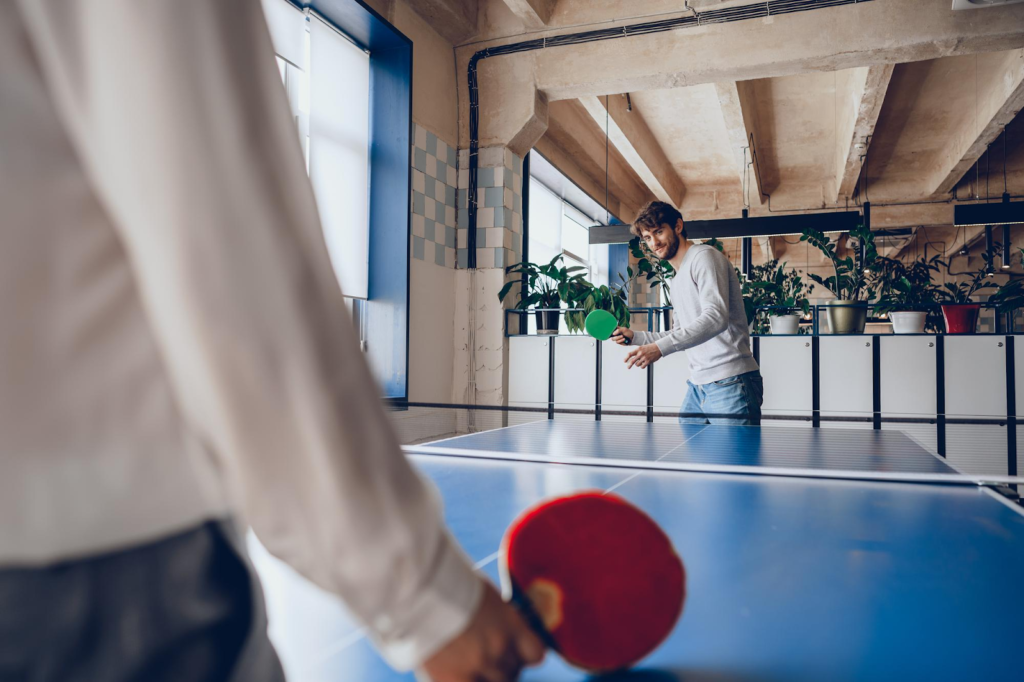
Picture from Freepik
Table Tennis and Its Traditional Place in British Communities
Table tennis earned its place in British communities through accessibility. It required little space, minimal equipment, and no specialist training. Community halls and youth centres offered the ideal environment where people could pick up a bat without ceremony.
In these settings, the game rarely stood at the centre. It functioned as a side activity, filling time between conversations. Competitive structure mattered less than presence, and skill gaps caused little tension. This model served communities well for decades, but it locked the sport’s image in place. Table tennis became associated with utility rather than aspiration—something everyone knew, yet few actively sought out.
When the Game Outgrew Its Original Spaces
By the end of the 2000s, community halls still hosted sessions, yet fewer people planned their evenings around them. Urban social life moved toward spaces allowing flexible timing. Table tennis did not lose relevance, but its traditional settings stopped matching how people spent time. Several factors drove this shift:
- Less predictable schedules: Irregular work hours made fixed club times difficult to commit to.
- Shrinking shared leisure time: People sought activities that fit into existing plans rather than requiring separate attendance.
- Lower tolerance for formal commitment: Casual engagement became more appealing than memberships or structured progression.
- Changing expectations around socialising: Leisure increasingly blended with food and conversation; isolated activity spaces felt disconnected.
- Outdated physical settings: Practical community halls lacked the atmosphere people desired for weekends.
These shifts highlighted a mismatch between context and lifestyle. The game needed a setting that aligned with how people already lived and socialised.
The Rise of Social Table Tennis Clubs
Eventually, table tennis stopped waiting for people to come to it. Instead, it showed up where social life already happened. Cities offered venues built around conversation, not schedules. Bars and pop-ups encouraged spontaneity. If you already meet friends there, why leave to play elsewhere?
Social table tennis clubs did not promote discipline; they leaned into presence and shared experience. This model fits modern urban rhythms because it keeps options open. You can stay social without staying still. Once the game learned how to fit around life, rather than compete with it, a new audience stepped in.
A New Audience Beyond Traditional Sports Fans
You can spot the shift in Britain long before you hear anyone call it a “revival.” In the early 2010s, purpose-built “social ping pong” venues like Bounce launched in London, framing table tennis as part of a night out. Table tennis slid into the rhythm of food, drinks, and conversation, offering a shared activity without demanding commitment.
This newer audience treats the game as a social pastime. However, a clear elite layer remains. If you follow professional table tennis, major events shape that narrative. England hosts the ITTF World Team Table Tennis Championships Finals in London in 2026, bringing top-level play closer to home. Competitive fans also stay plugged in through structures like the British Clubs Leagues.
In Britain today, table tennis no longer needs to choose between seriousness and ease. The professional game continues with structure and rankings, while casual play lives freely alongside it. For many, that balance feels natural.