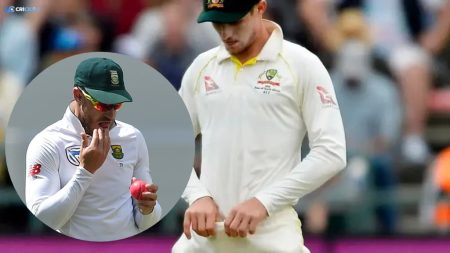

Sandpapergate is the name given to the ball-tampering scandal involving the Australian cricket team during the third Test against South Africa in March 2018.
The incident took place at Newlands Cricket Ground in Cape Town. Australian batter Cameron Bancroft was caught on television cameras using a piece of sandpaper to rough up one side of the cricket ball.
The purpose was to change the ball’s condition and help Australia’s fast bowlers generate reverse swing. Reverse swing can make an older cricket ball move sharply in the air, making it difficult for batters to play.
Using sandpaper or another foreign object to change the ball’s condition is illegal under cricket’s playing conditions.
The incident became known as Sandpapergate and caused a major crisis for Australian cricket. It led to suspensions for three players, changes in team leadership and widespread criticism of the team’s culture.
When Did the Sandpapergate Scandal Happen?
The scandal took place on March 24, 2018, during the third Test between Australia and South Africa at Newlands in Cape Town.
Australia were struggling in the match and needed wickets to put pressure on the South African batting lineup.
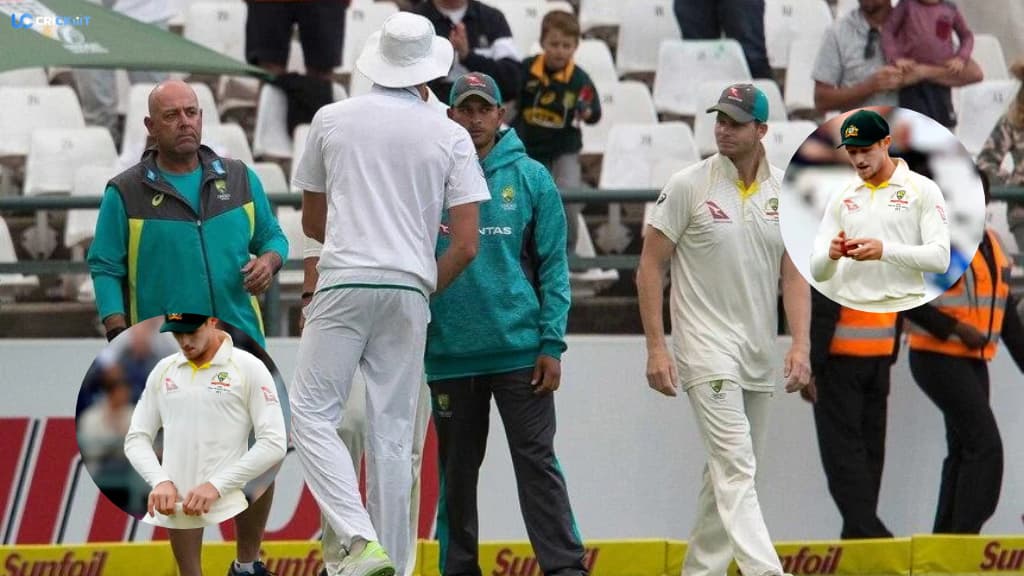
During the third day, television cameras caught Cameron Bancroft handling a small yellow object and appearing to use it on the ball.
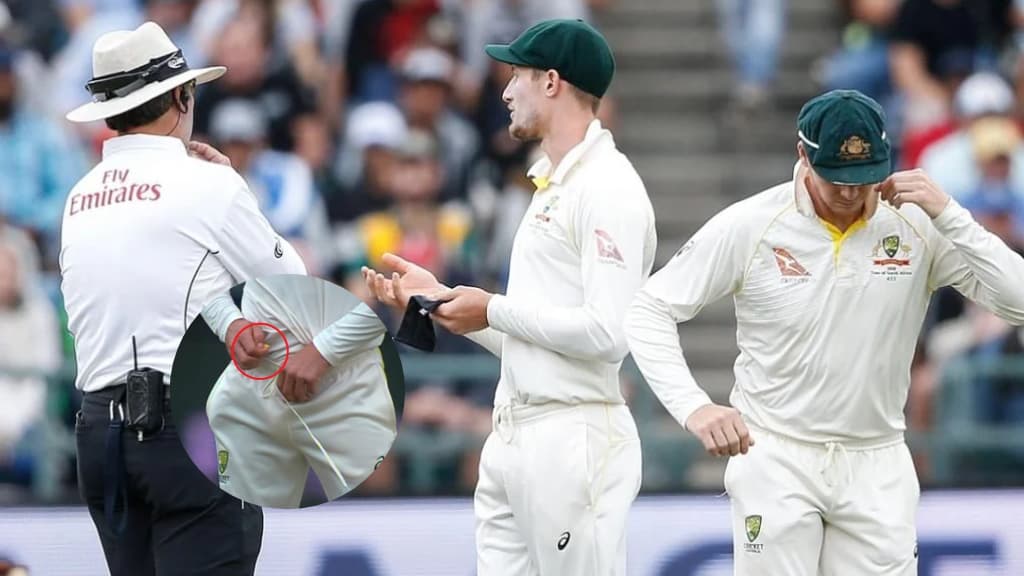
When Bancroft realized that the cameras had captured his actions, he tried to hide the object inside his trousers.
The footage was shown on the stadium’s big screen, and the on-field umpires questioned Bancroft about what he had in his pocket.
The incident quickly became international news.
How Did Australia Use Sandpaper on the Cricket Ball?
To understand the scandal, it is important to know why a team might want to change the condition of a cricket ball.
In Test cricket, the ball naturally becomes older and develops wear during a match. Fast bowlers can use the difference between its two sides to generate reverse swing.
Reverse swing happens when an older ball moves through the air in an unexpected direction, often at high speed. It can make life difficult for batters, particularly against fast bowlers.
Under cricket’s rules, players can polish the ball using an approved method, but they cannot use artificial materials or objects to damage or alter its condition.
In the Cape Town incident, Bancroft used sandpaper to rough up one side of the ball.
The intention was to create additional roughness and help the ball reverse swing more effectively.
This gave Australia an unfair advantage because the condition of the ball had been deliberately changed using an illegal object.
Who Was Involved in the Sandpapergate Scandal?
Three Australian players received major punishments following Cricket Australia’s investigation.
1. Steve Smith
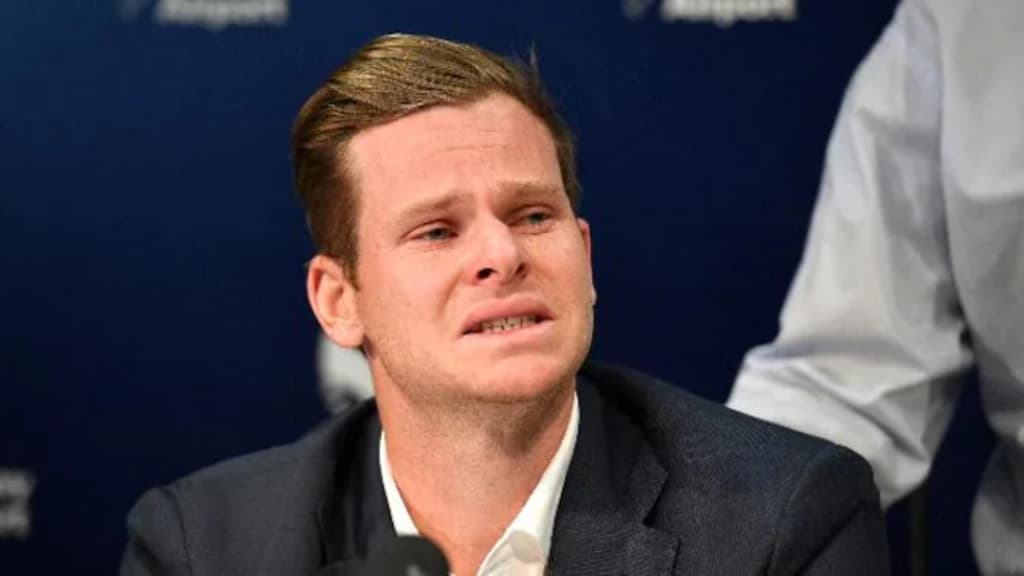
Steve Smith was Australia’s captain during the 2018 South Africa tour.
The investigation found that Smith knew about the plan to alter the ball but failed to prevent it.
He accepted responsibility for his role in the incident and stepped down as captain during the Cape Town Test.
Smith received a 12-month suspension from international and domestic cricket.
2. David Warner
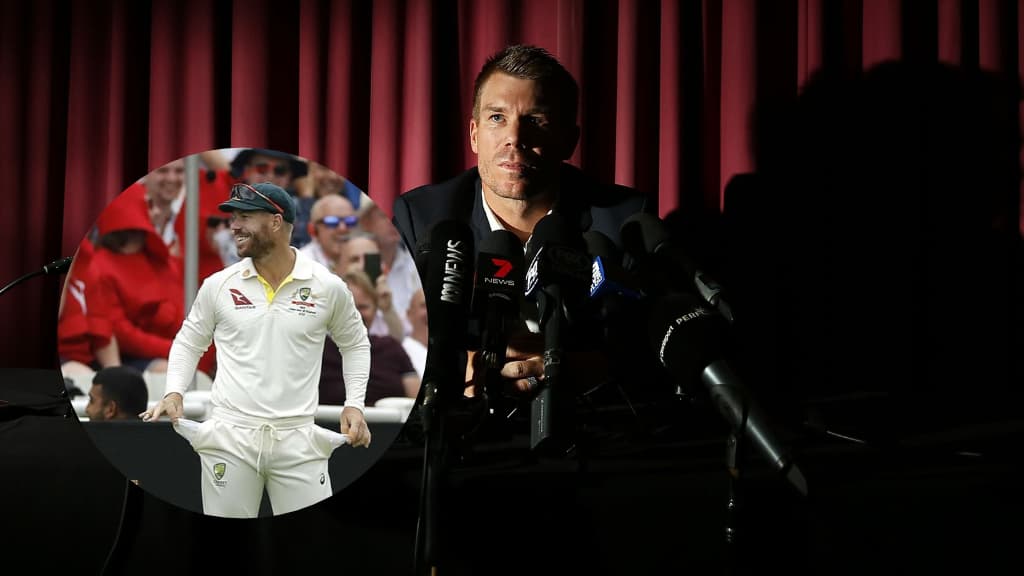
David Warner was Australia’s vice-captain at the time.
Cricket Australia’s investigation found that Warner developed the plan and instructed Bancroft to carry it out.
Warner received a 12-month suspension from international and domestic cricket. He was also banned from holding a leadership position in Australian cricket under the terms of the sanction.
3. Cameron Bancroft
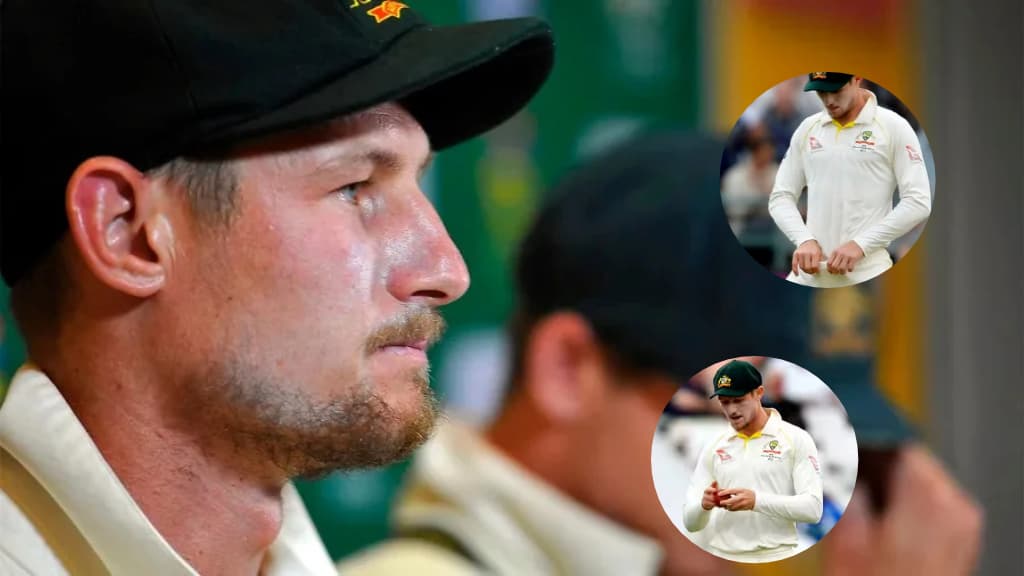
Cameron Bancroft was the player caught on television using the foreign object on the ball.
He initially claimed that he had used adhesive tape with dirt from the pitch. However, Cricket Australia later confirmed that the object was sandpaper.
Bancroft received a nine-month suspension from international and domestic cricket.
What Happened After Cameron Bancroft Was Caught?
The incident quickly became a major issue for Cricket Australia.
After the footage emerged, Bancroft and Smith faced the media and admitted that they had attempted to alter the condition of the ball.
Smith said the plan had been discussed by the team’s leadership group during the lunch break.
The situation became more serious when Cricket Australia launched an investigation.
Smith and Warner were removed from their leadership positions for the remainder of the match, while Tim Paine took over as captain.
Smith, Warner and Bancroft were subsequently sent home from the South Africa tour.
Cricket Australia later announced its punishments following the investigation.
The controversy also affected head coach Darren Lehmann, who announced that he would resign after the fourth Test.
What Punishments Did Steve Smith, David Warner and Cameron Bancroft Receive?
Cricket Australia announced the following suspensions on March 28, 2018.
| Player | Role in the incident, according to CA | Punishment |
|---|---|---|
| Steve Smith | Knew about the plan but failed to stop it | 12 month ban |
| David Warner | Developed the plan and instructed Bancroft | 12 month ban |
| Cameron Bancroft | Carried out the ball tampering action | 9 month ban |
The punishments covered international and domestic cricket.
The three players later returned to professional cricket after completing their suspensions.
Did Australia Win the Test Match Against South Africa?
No. Australia lost the third Test at Newlands by 322 runs.
South Africa won the match after Australia were bowled out for just 107 in their second innings.
The result gave South Africa a 2-1 lead in the four-match Test series.
South Africa eventually won the series 3-1.
However, the result of the series became secondary to the ball-tampering controversy, which dominated international cricket discussions.
What Is Reverse Swing and Why Is It Important in Cricket?
Reverse swing is a bowling technique in which an older cricket ball moves through the air in a direction that can be different from conventional swing.
Fast bowlers often use reverse swing to trouble batters during the later stages of a Test innings.
For reverse swing to work, the condition of the ball is important. One side is generally kept relatively smooth, while the other becomes rough through normal wear.
The difference between the two sides can help the ball move sharply through the air.
Players are allowed to maintain the ball within the rules, but deliberately damaging it with sandpaper, tape or another prohibited object is against the laws and playing conditions.
This is why the 2018 incident was considered such a serious breach of cricket’s spirit and rules.
What Did Cricket Australia’s Investigation Find?
Cricket Australia conducted an investigation after the incident.
Its findings identified Steve Smith, David Warner and Cameron Bancroft as the players involved in the ball-tampering plan.
The investigation found that Warner had developed the plan, Bancroft had carried it out and Smith had known about it but failed to stop it.
Cricket Australia stated that the three players were the only individuals who knew about the specific plan.
The investigation did not establish that the entire Australian team or coaching staff had participated in the Cape Town plan.
These findings became the official basis for the disciplinary action taken in 2018.
Why Is the Sandpapergate Scandal Back in the News in 2026?
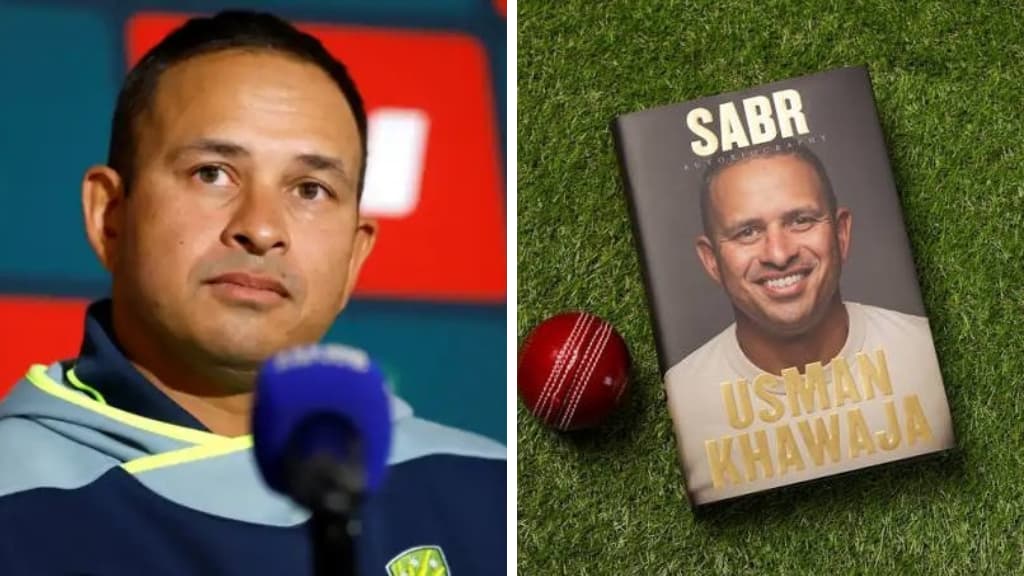
The Sandpapergate controversy has returned to the headlines following fresh claims by former Australian batter Usman Khawaja in his autobiography, Sabr.
Khawaja has shared his recollections of Australia’s 2018 South Africa tour and questioned whether the responsibility for ball tampering was limited to the three players who received suspensions.
He has suggested that the wider team environment was aware of efforts to generate reverse swing and that the incident should be viewed as a team issue.
His account also describes an alleged use of sandpaper during the second Test against South Africa in Port Elizabeth, now known as Gqeberha.
These claims have reopened questions about what other members of the Australian squad knew at the time.
It is important to note that Khawaja’s account represents his recollection. His broader claims have not been established as new official findings.
What Did David Warner Say About Usman Khawaja’s Claims?
Former Australia vice-captain David Warner has publicly supported aspects of Khawaja’s account.
Warner reportedly described Khawaja’s version as accurate and questioned the original investigation, including whether Khawaja had been interviewed.
Former Australian bowler Chadd Sayers has also supported aspects of Khawaja’s claims.
However, not everyone involved in the 2018 squad agrees with the new account.
Former Australian coach Darren Lehmann and former batting coach Graeme Hick have disputed broader implications of the allegations. Mitchell Starc has also maintained that he did not know about the sandpaper plan.
This has created a fresh debate about the difference between knowledge of general ball-maintenance practices and knowledge of the specific illegal plan used at Cape Town.
Why Is Pat Cummins Being Asked About Sandpapergate?
Pat Cummins was part of Australia’s squad during the 2018 South Africa tour and is now the captain of the national Test team.
Following Khawaja’s autobiography revelations, questions have been raised about what Cummins knew about the team’s practices during that period.
Khawaja was asked directly during an interview whether Cummins knew about the alleged sandpaper plan. He declined to answer, saying he would not speculate on behalf of anyone else.
Cummins later confirmed that he would speak to the media on Friday, November 13, 2026, at Cricket Central in Sydney.
He said he had taken time to understand the full extent of Khawaja’s allegations before responding.
His comments are expected to address the renewed questions surrounding Australia’s 2018 ball tampering controversy.
Will Cricket Australia Reopen the Sandpapergate Investigation?
Cricket Australia has indicated that it does not intend to reopen its 2018 investigation.
CEO Todd Greenberg has said there is no reason to restart the inquiry, despite the new details shared in Khawaja’s autobiography.
Interim Cricket Australia chair David Boon has also backed the original approach and expressed confidence in Cummins’ leadership.
Boon acknowledged Khawaja’s right to share his recollections but said he did not believe reopening the investigation would serve a useful purpose.
The organization maintains that the original investigation dealt with the incident and resulted in disciplinary action against the three players.
What Is the Difference Between Ball Tampering and Sandpapergate?
Ball tampering is a general term for illegally changing the condition of a cricket ball to gain an advantage.
It can involve prohibited actions or materials used to alter the ball’s surface.
Sandpapergate refers specifically to Australia’s 2018 scandal in which Cameron Bancroft was caught using sandpaper on the ball during the Cape Town Test against South Africa.
In simple terms, ball tampering is the broader offense, while Sandpapergate is the name given to one of the most famous ball-tampering incidents in cricket history.
Frequently Asked Questions About Sandpapergate
What is Sandpapergate in cricket?
Sandpapergate is the 2018 ball tampering scandal involving Australia during a Test match against South Africa in Cape Town. Cameron Bancroft was caught using sandpaper to alter the condition of the ball.
Who used sandpaper on the ball?
Cameron Bancroft was caught on television using sandpaper on the cricket ball during the third Test at Newlands in March 2018.
What is Usman Khawaja saying about Sandpapergate in 2026?
In his autobiography Sabr, Khawaja has shared claims about the wider Australian team’s knowledge of ball tampering practices during the 2018 South Africa tour. His account has reignited debate about the original investigation.
Is Pat Cummins involved in the 2026 Sandpapergate controversy?
Cummins was part of Australia’s 2018 squad. He has been asked about Khawaja’s recent claims and has announced that he will address the media on November 13, 2026.
Will Cricket Australia investigate the scandal again?
Cricket Australia has indicated that it does not plan to reopen the original 2018 investigation.