
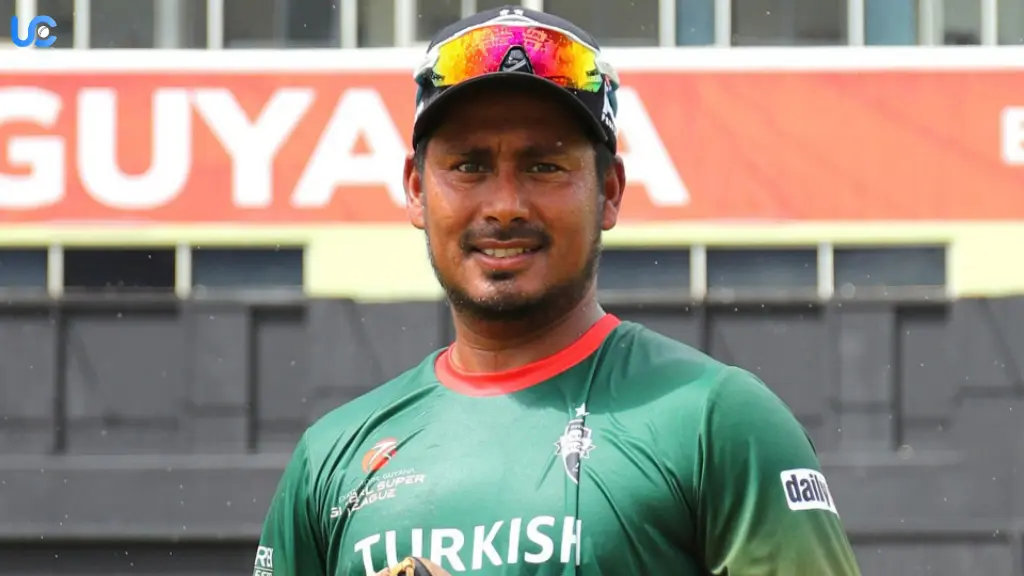
The Bangladesh Cricket Board (BCB) has reintroduced former captain Mohammad Ashraful in the national squad in a new role. The BCB has designated the former star player as the specialist batting coach for the forthcoming home series against Ireland.
Immediately after Monday’s meeting of the BCB’s board of directors, the news was made public.
The Bangladesh national team’s coaching staff for the Ireland series now includes former selector and left-arm spinner Abdur Razzak as the team director, in addition to Ashraful.
Mohammad Ashraful’s return in a fresh role
Abdur Razzak confirmed the news, explaining that senior assistant coach Mohammad Salahuddin was being replaced because of Bangladesh’s batting difficulties.
Razzak made it clear that they will take a decision as the board going forward when asked about Salahuddin’s role.
Razzak told the press, “Ashraful has the experience — that’s a given. He has already completed the coaching courses, and mainly his experience was the key for us in this role.”
Read Also :- RCB Women’s Team Appoints Anya Shrubsole as Bowling Coach Ahead of WPL 2026 Season
“For now, Mohammad Ashraful has only been appointed for the Ireland series, but there’s a possibility of an extended role depending on the team’s performance.”
Who is Mohammad Ashraful?
In case someone does not know, Mohammad Ashraful is a retired cricketer from Bangladesh and one of the most gifted and disputed personalities in the cricket saga of the country.
He was born on the 7th of July, 1984 in Dhaka, Bangladesh, and at just 17 years old, he made history by being the youngest player to smash a Test hundred against Sri Lanka in 2001.
Between 2007 and 2009, Ashraful was the captain of Bangladesh, and during his term, the country achieved some great victories such as the winning of the World Cup in 2007 against South Africa, which was the first for Bangladesh in cricket.
A scandal involving match-fixing in the Bangladesh Premier League in 2013 marred his career, and he was stripped of his playing rights for a time.
The BCB (Bangladesh Cricket Board) originally issued an eight-year ban, which was later cut down to five years, with two years suspended, for his cooperation with the investigators and admission of guilt.
He took up formal coaching courses, started to mentor some young players, and continued to train privately.’