
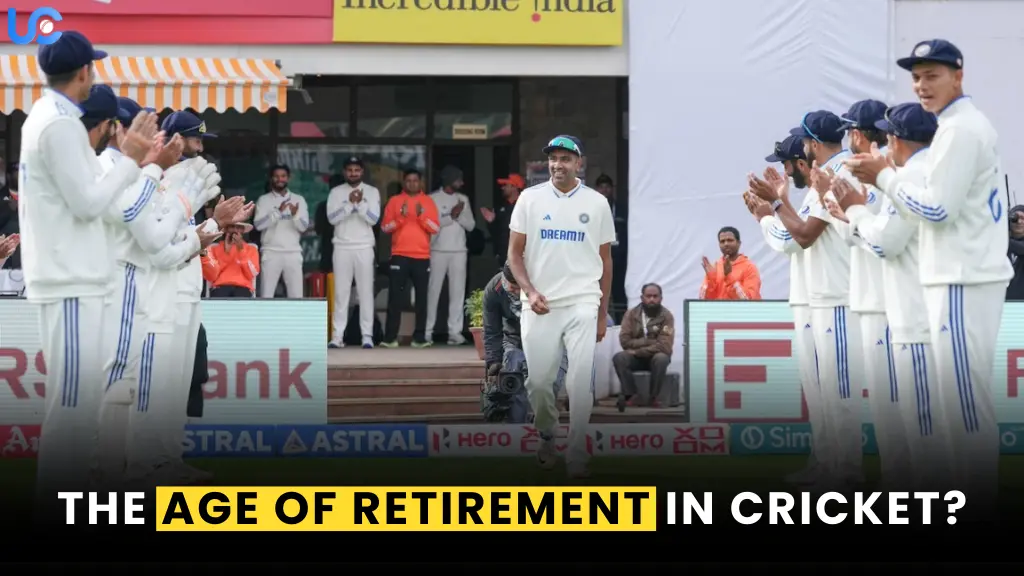
Retirement in cricket is rarely a fixed milestone – it’s a personal crossroads shaped by form, fitness, format, and sometimes, unexpected life events. From legends clinging on into their 40s to prodigious talents walking away in their 20s, the retirement landscape is as varied as the players themselves.
1. No Fixed Rule: A Spectrum of Retirement Ages
Cricket doesn’t enforce an age limit. Instead, retirement ages reflect a mix of physical demands, formats played, personal aspiration, and performance. Historically, fast bowlers, due to sheer physical strain, often exit in their mid-30s. For example, Australia’s Glenn McGrath retired around 37 after nearly two decades of pace assault. In contrast, spinners, relying on guile over speed, frequently play longer – Sri Lanka’s Rangana Herath retired at 40, topping the wicket chart for left-arm spinners.
2. Format Matters: Test vs. Limited-Overs Longevity
The format a player specializes in greatly influences how long they play. Test cricket’s five-day grind demands intense physical and mental stamina. As such, many Test specialists retire in their mid-30s. Shorter formats like T20 and ODIs allow for extended careers – legends like Chris Gayle and MS Dhoni continued well into their late 30s and even early 40s.
3. Icons of Longevity: Playing Well into the 40s
Several players defied age norms:
- Sachin Tendulkar (India) bid farewell at 40 after an iconic 24-year career, choosing to retire on his own terms and exit at the top.
- Sanath Jayasuriya (Sri Lanka) played until around 41, wrapping up a powerful all-format tenure.
- Mithali Raj (India), a pillar of women’s cricket, retired at 39 after over two decades at the crease, leaving behind a rich legacy.
- Imran Khan (Pakistan) came out of retirement once to clinch the 1992 World Cup, before retiring permanently at 41.
- The late Somachandra de Silva (Sri Lanka) only officially retired at age 49, a remarkable testament to longevity.
Other examples include Shahid Afridi, who played into his early 40s with multiple comebacks, and Shoaib Malik, who retired from Tests at 42 but continued T20 franchise cricket.
4. Early Exits: When Talent Leaves Too Soon
The flip side includes players whose careers ended prematurely:
- AB de Villiers (South Africa) retired at just 34, stating exhaustion after years of constant cricket grind.
- Suresh Raina (India) walked away from international cricket at 33 to explore life beyond the boundary ropes.
- Kevin Pietersen, amid controversies, retired from international cricket at 33 in 2014.
- Others like Unmukt Chand, Munaf Patel, and Craig Kieswetter retired around 27–28 due to non-selection, physical issues, or career shifts.
- James Taylor retired at 26 due to a serious heart condition, a poignant example of health forcing early retirement.
5. The “Long Goodbye Syndrome”
Retirement can also stretch painfully long. The term “Long Goodbye Syndrome” refers to iconic players staying on beyond their peak, impacting team renewal. Australian greats like Allan Border, Ricky Ponting, Matthew Hayden, David Warner, and Steve Smith exemplified this, with declining stats overshadowing their legacy.
6. Modern Transitions: When Legends Retire Today
Recent retirements reflect continued patterns of shifting responsibilities and generational changes:
- Virat Kohli and Rohit Sharma, both around 36–38, have retired from Test cricket amid form dips and changing team dynamics.
- Meanwhile, Nicholas Pooran’s retirement at just 29 stunned fans – a stark reminder that even dynamic T20 superstars can step away early.
7. Life After Cricket: The New Beginning
Retirement marks not the end, but the start of new chapters. Players often segue into roles as commentators, coaches, or administrators. Legends like Rahul Dravid, Ravi Shastri, and Wasim Akram have blended on-field expertise with media or team leadership roles. Some take unorthodox paths—Imran Khan became Pakistan’s Prime Minister, Brett Lee explored music and acting, and Adam Hollioake tried MMA.
8. The Physical Legacy of Cricket
The long-term physical toll of cricket is often overlooked. Studies of retired professional players found that decades post-retirement, many struggle with osteoarthritis and joint issues—common after years on the field.
9. Retirement Trends: What’s Changing?
Cricket’s retirement landscape continues evolving:
- Sports science & fitness have extended careers—players now stay fit into late 30s.
- Mental health awareness encourages self-aware exits.
- T20 leagues provide lucrative opportunities post-international cricket, enabling players like Shoaib Malik, Dhoni, Amit Mishra, and Faf du Plessis to extend careers beyond national duties