
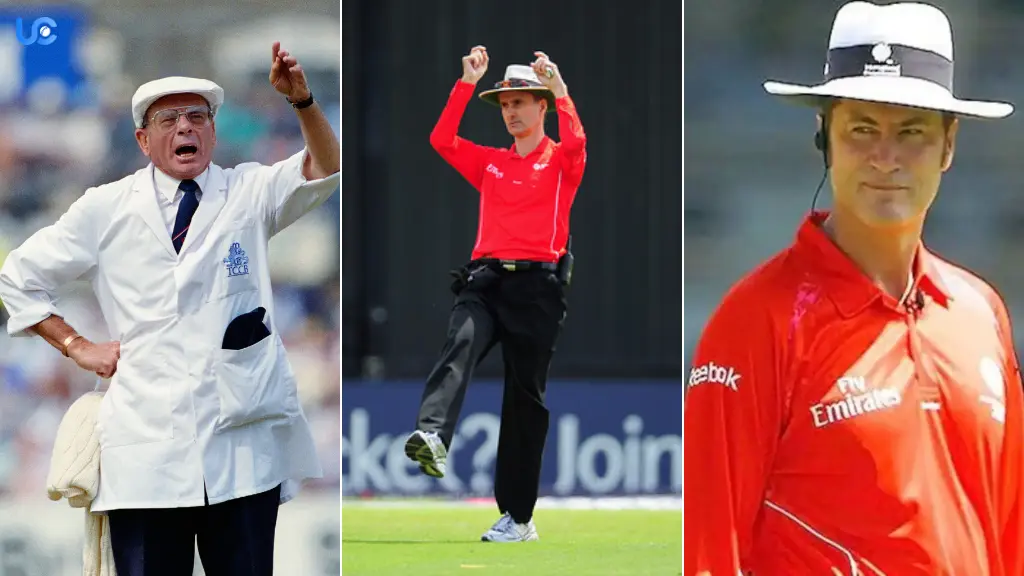
Umpiring in cricket, or any sport, is an arduous task. When umpires make errors, they get completely condemned, but the right decisions are seldom rewarded with their acclaim. The introduction of the Decision Review System (DRS) has taken the umpires to the forefront.
An umpire of the highest caliber in the world of cricket is certainly the one who commits the least mistakes. No doubt, they are the custodians of peace and the ones who enforce the rules of one of the most favored games, Cricket.
This article presents to you the best of umpires in cricket history and their great impact on that past time.
10. Tony Hill (New Zealand)
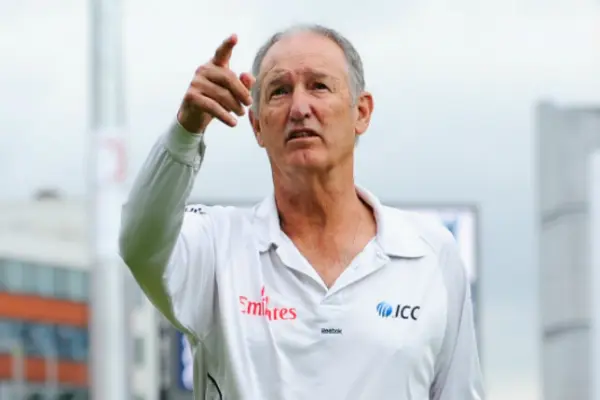
The ICC designated Hill to referee international matches outside New Zealand to support the Elite Panel, among which the third test in Johannesburg between South Africa and Australia in March 2006 was a major one; he also officiated in three Group A matches at the 2007 Cricket World Cup in St. Kitts.
Read Also :- 5 highest opening partnerships for Bangladesh in ODIs
He became a member of the ICC Elite Panel of Umpires in 2009. In his career, Hill was involved in officiating 40 International Tests, 96 One Day Internationals, and 17 Twenty20 Internationals.
9. Darrell Hair (Australia)
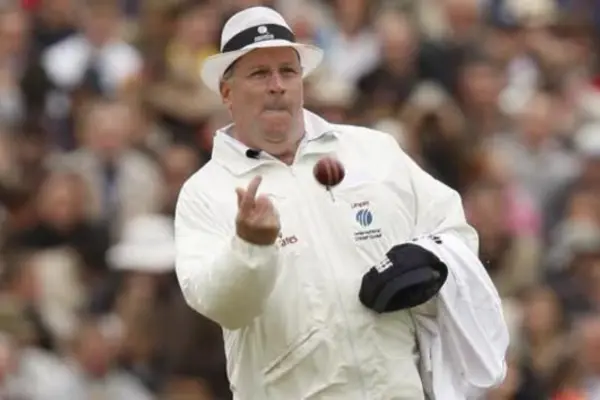
Hair started his umpiring career in January 1992 with a Test match between Australia and India in Adelaide. However, his career was overshadowed by some controversial calls. One such incident came against Pakistan.
During the fourth day of the fourth Test match at The Oval in 2006 between England and Pakistan, Hair and fellow umpire Billy Doctrove adjudicated that the Pakistani team had been tampering with the ball. England was allocated five penalty runs and a new ball. In retaliation, the Pakistani players opted not to come on the field after tea.
The actions of the player in that Test match were subjected to further scrutiny at an ICC board meeting, and the conclusion was drawn that the player should not arbitrarily be involved in matches played among test-playing nations in the future. Hair, on August 22, 2008, officially filed his resignation from the ICC and aimed at a coaching position.
Hair had already officiated in 78 Test matches, 141 ODI matches, and 6 T20I matches before resigning.
8. Rudi Koertzen (South Africa)
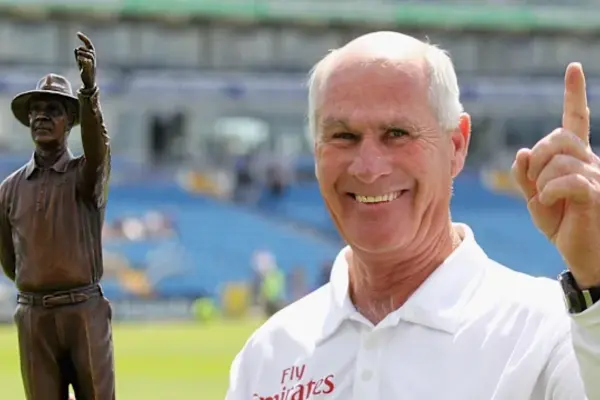
The year 1981 marked the beginning of Rudi Koertzen’s career as an umpire, where he played a role in domestic games. Then in 1992, Rudi made his international debut, and the ODI match between South Africa and India was the first he umpired. Later, he made his test debut during the same trip, this time with South Africa as the opponent.
When Rudi became a full-time ICC umpire in 1997, he already had the qualities for a perfect umpire and quickly got promoted to the Elite Umpires Panel.
Besides the International Cricket Council’s medals for 100 One-Day Internationals, 200 One-Day Internationals, and 100 Tests, Rudi was also awarded the International Cricket Council’s Bronze Bails Award, the Silver Bails Award, and the Golden Bails Award. Besides, he was the pioneer among umpires to officiated in 200 One Day Internationals (ODIs).
7. Daryl Harper (Australia)
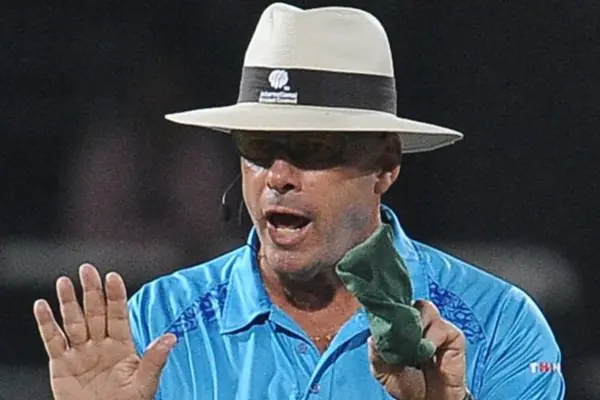
Before becoming a cricket umpire, Daryl Harper was the referee in Australian football matches. He commenced his career as an umpire in 1983.
In 2002, he was the first Australian umpire to make it to the ICC’s Elite Umpires Panel, a position he enjoyed until 2011. Harper had an impeccable run as an umpire, getting assigned to 95 Tests, 176 ODIs, and 10 T20Is. Later, ICC announced in 2011 that Harper would retire at the end of his contract in July 2011.
In June 2011, Harper decided to quit as an umpire after being criticized by the Indian team during the Test series between India and West Indies. He was awarded the ICC Bronze Bail Award for his 100 One Day International umpiring performances.
6. Billy Bowden (New Zealand)
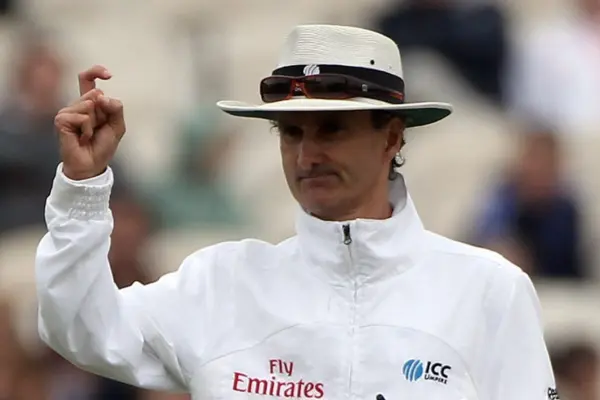
Billy Bowden was a member of the ICC Elite Umpires Panel from 2003. Billy, now retired, became famous for his bizarre umpiring signals—like the jig dance for a six signal and his bent index finger for ‘out’ calls.
He had the honour of being the umpire in charge of two World Cup 2003 matches when players scored hat-tricks. For officiating in 100 One Day Internationals, he was awarded the ICC Bronze Bails in 2007.
5. Aleem Dar (Pakistan)
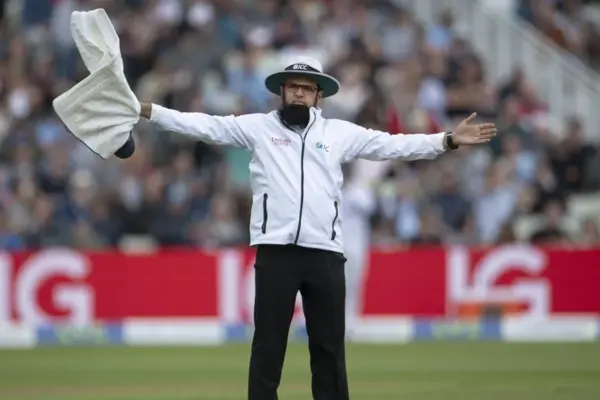
He started his international umpiring career at the age of 30 in the year 2000 with a match between Pakistan and Sri Lanka. He got onto the top panel of ICC umpires in just two years.
He won three consecutive ICC Umpire of the Year awards in 2009, 2010, and 2011. He has also been given Pakistan’s “The Pride of Performance Award.” Aleem Dar had a great World Cup 2011 experience, prevailing over DRS challenges with 15 consecutive correct calls.
4. Simon Taufel (Australia)
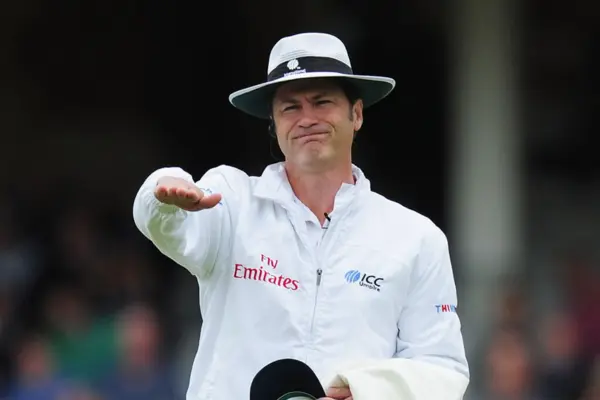
The Australian umpire Simon Taufel who was awarded the ICC Umpire of the Year five times in a row from 2004 to 2008, is considered one of the best ever. He was the umpire in 74 test matches, 174 ODIs, and 34 T20 Internationals.
He announced his retirement from international cricket after officiating the 2012 ICC World Twenty20 final and took on a new role as umpire performance and training manager.
3. Marais Erasmus (South Africa)
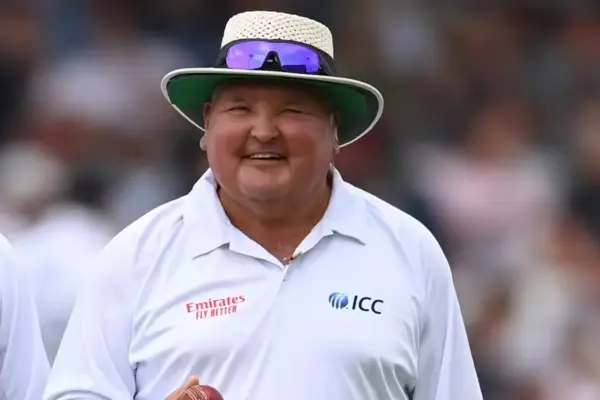
Marais Erasmus is one of the most reputable umpires in the world, and he’s recognized as such. Having been an ICC umpire since 2008, he has seen 79 Tests, 116 ODIs, and 43 T20Is of his own.
Moreover, having played First-Class cricket in South Africa gives him an upper hand compared to other umpires who have not competed at this top level.
2. Nigel Llong (England)
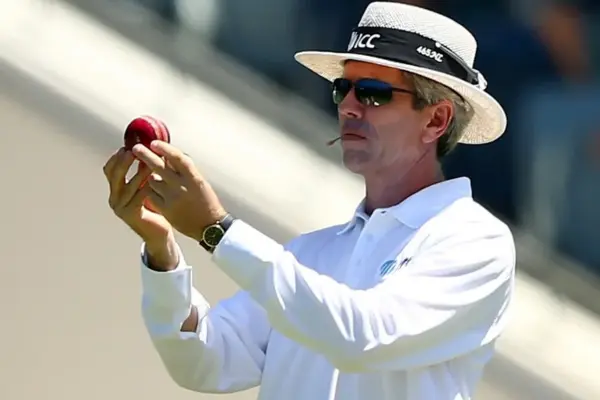
Nigel Llong is an English umpire who has been a part of international cricket since 2005. He was an ICC Elite Panel Umpire until June 2020. Like Erasmus, he has played First-Class cricket but in England.
Llong has been an umpire in 62 Tests, 130 ODIs, and 32 T20s.
1. Dickie Bird (England)
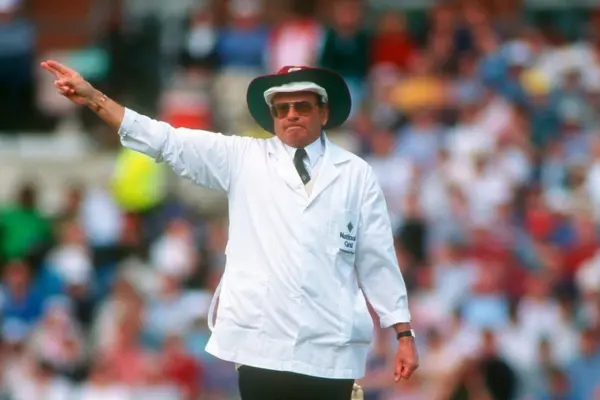
Dickie Bird is the brightest cricket umpire in history and has been a role model for many in the field. He had a huge fan base, despite being a lesser-visited umpire, during the time he worked. Bird was an international umpire from 1973 to 1996 and officiated one of the biggest cricket clashes—India vs. England.
They all admired him who played in the era he ruled. Just as the English fans did when he was giving the last appearance of the 1996 test match India vs. England at Lords. He was, as he expressed himself, “married to the game.”
He has an autobiography to his name which has also crossed the 1 million mark in the sales department globally. Besides the MBE he received in 1986 and the OBE in 2012 for the dual efforts he undertook in the field of cricket and social service, he has also been a pioneer in the latter area.