
Some words are mentioned every now and then when the game of cricket is being talked about, but their correct meaning and usage is still very important! Byes and leg byes are two of such cases. Byes and leg byes are necessary for the game, but still, a beginner can be confused or ignorant about these.
In cricket, a batter is given a bye if he/she takes the runs after the ball misses the bat and the wicketkeeper is unable to catch the ball. On the other hand, if the ball does not hit the bat but instead hits the body or the equipment of the batter and the runs are taken, the umpire calls it as “leg bye”. Byes are counted as extras, which include leg byes.
Byes and Leg Byes are considered to be at par with the first and free runs simultaneously. More detailed still about byes and leg byes in cricket. So let’s dive deeper into the matter!
What Is the Meaning of a Cricket Leg Bye?
When the ball does not make contact with the bat but hits the batter’s body or any other piece of equipment and runs are recorded, the umpire gives a leg bye.
As per the cricket rules, the umpire has to check whether the striker did actually make a conscious effort to play the ball before calling it a “leg bye”. And only he or she has the power to make such a decision.
If the umpire thinks that the batter either tried to play the ball with the bat but failed or he/she made a movement to avoid getting hit by the ball, then he/she may award a leg bye to the batter.
Read Also :- What Is a Maiden Over in Cricket? Everything You Need To Know
Still, the batters will be granted a run if they are in doubt about the striking batter’s committing any of the two errors mentioned before, just so the fielder can try to get the batter out. The umpire will call it a dead ball right after this.
How does the umpire signal for leg byes?
It is essential to know when the umpire has indicated a “leg bye”. For this, we need the umpire’s signal for a leg bye.
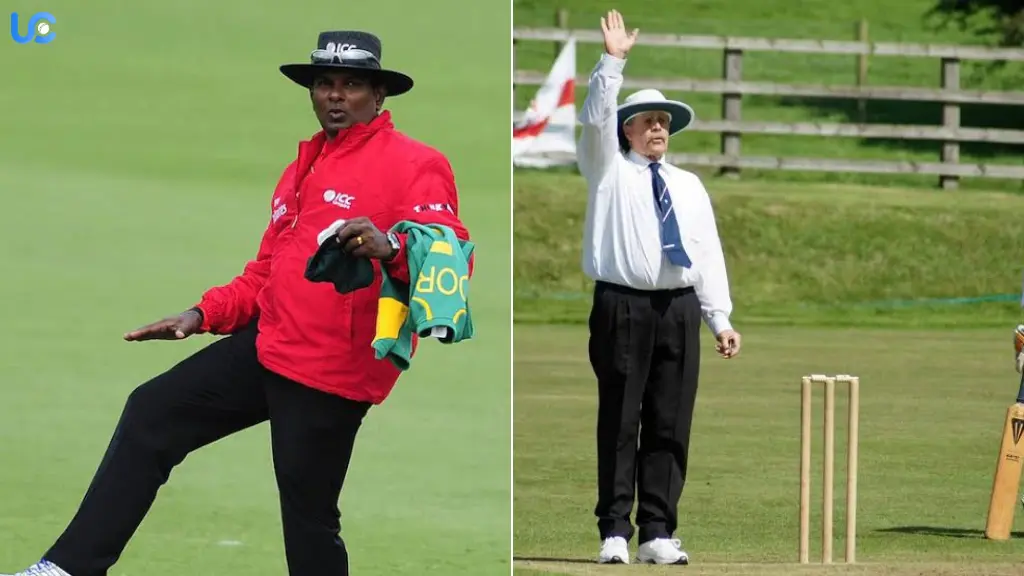
The leg bye indication from the umpire is very simple. To show that the ball has hit the batter’s leg, the umpire will just raise one leg and tap it.
It’s important to understand that if the ball hits the batter’s bat, pads, or any other part of his body before it hits the ground, he will still get the run. This case is not considered a leg bye.
Leg Byes Against the Bowler: Do They Matter?
Leg byes do not have an impact on the bowler’s performance. Therefore, the runs from leg byes won’t be recorded in the bowler’s overall match statistics.
The reason is that the delivery is accurate as opposed to no-ball and wides. Thus, any leg byes that happen are not punished and do not count against the bowler.
Moreover, the leg byes are the reason behind the batter’s score not increasing. Since leg byes are dependent on post-delivery occurrences like the wicketkeeper’s failure to retrieve the ball, they are actually regarded as fielding extras. Consequently, their aggregate score is added to the team’s score.
Can a Batter be Given Out on Leg Byes?
A batter can still be regarded as being out if he is run out on a Leg Bye. The batter is run out if the ball hits his body or bat as he steps out of the crease to score a run but is still out before he gets back to the crease.
If the batter is given OUT LBW even after completing a run, then the run will not be counted. Hence, it will not be acknowledged as a Leg Bye but rather an LBW dismissal of the batsman.
What is a “Bye” in Cricket?
A “bye” in the sport of cricket refers to a situation when the ball is bowled by the bowler but totally bypasses the bat, body, or any other gear of the batter, still allowing the runs to be scored.
Now imagine a situation where the bowler has bowled the ball. The batter tries to hit but fails. The ball has gone past the batter without hitting any of them. The ball has also gone past the stumps. The wicketkeeper too has failed to grab the ball. The ball is on its way towards a fielder who is stopping it. The batters have run in the meantime.
In cricket, byes are usually granted if the wicketkeeper is unable to catch the ball or if the bowler misses the stumps by a large margin making it impossible for either the batter or the wicketkeeper to reach the ball.
How Does the Umpire Signal a Bye?
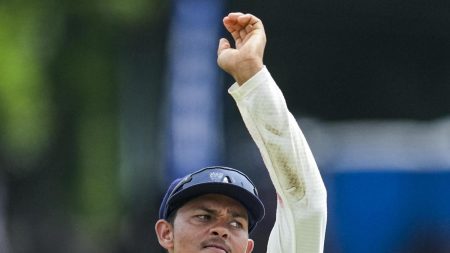
In cricket, each event has its own signal. The same is true with the runs scored through a bye in cricket. The umpire indicates that the runs have come from a bye by raising one hand above his head.
The umpire may use either of his two arms to indicate a bye. If a bowler throws a wide or no-ball and runs are scored subsequently, the umpire first has to signal the wide or no-ball before showing the bye signal.
Do the Batter’s Runs from Byes Count?
Runs made through byes do not include the batter’s score; rather, they are for the team. In reality, byes are charged to the wicketkeeper, as he is considered the culprit for not catching the ball.
It is sufficient that only the catcher misses the ball for it to be scored as a bye. Thus, the fielding side is credited with a bye while the batsman escapes unscathed.
Can a Batter be Given Out on a Bye?
Certainly. The relief of the batter on the bye can lead to his dismissal. Among the methods of dismissal for the batter are running out and obstructing the field.
In the last overs of the game, when getting a run means winning, the batter plays dangerously and expects the wicketkeeper to make a mistake. The non-striker is often left without any energy in such situations.