
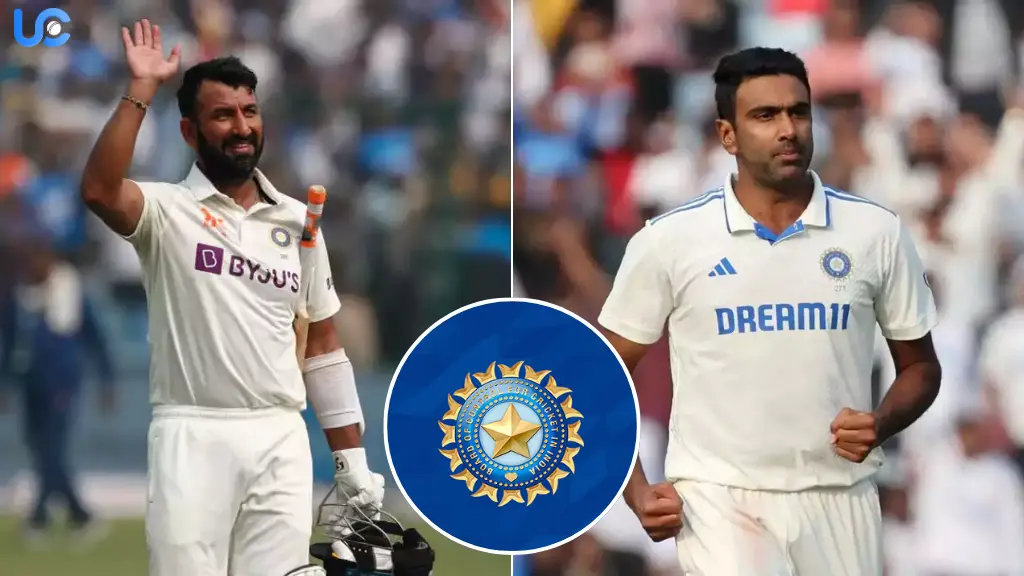
Many Indian cricketers have retired recently, the latest being Cheteshwar Pujara. The BCCI gives pensions to former players but people are wondering how much they get and if it’s enough these days.
Pension Scheme for Retired Cricketers
The BCCI has a pension scheme where former international and domestic players get a fixed monthly payment. The amount depends on how many games they played and how involved they were. How old they are also matters; the older they get, the more money they get. For example, players get more money after they turn 60.
Do Retired Players Get a Raise Every Year?
The pension amount isn’t raised every year but the BCCI does change the amount sometimes. They have increased the pension amounts recently so that former cricketers can cope with the price rise and economic changes.
Read Also:- Prithvi Shaw Comeback: Will Domestic Performances Earn Him a Spot?
Who is Eligible for the Pension?
Cricketers who played for India in international games or had long careers in domestic cricket can get this pension. Women cricketers also get benefits and there are different pension schemes for umpires and some older officials.
How Much Do Retired Players Ern?
The BCCI has increased the pension amounts a lot in the last few years. Test cricketers used to get Rs 37,500 per month but now they get Rs 60,000. First-class cricketers now get Rs 30,000 per month which is up from Rs 15,000. Senior players used to get Rs 50,000 but now they get Rs 70,000 per month. The amounts were increased so that players don’t face financial hardships. The increases help former players live comfortably after dedicating years to cricket. There’s a sense of gratitude from the BCCI towards players who have contributed to Indian cricket. Supporting former players is a way to show them that the sport values their commitment and sacrifices. These pensions recognize players’ hard work and determination. They send a clear message that their well-being is a priority. The changes could set new standards for supporting athletes after their careers end. The financial security these pensions provide is key for older players. It allows them to live with respect and to continue to be involved in the sport as mentors, coaches or commentators. The plan ensures their experience isn’t lost to the sport but can be used to inspire new talent. The regular revisions of the pension amounts show an understanding of the changing financial situation of retired players. Since the pension is linked to economic conditions, it provides a safety net. It also recognizes the long term contribution of these athletes to the nation’s sporting legacy.