
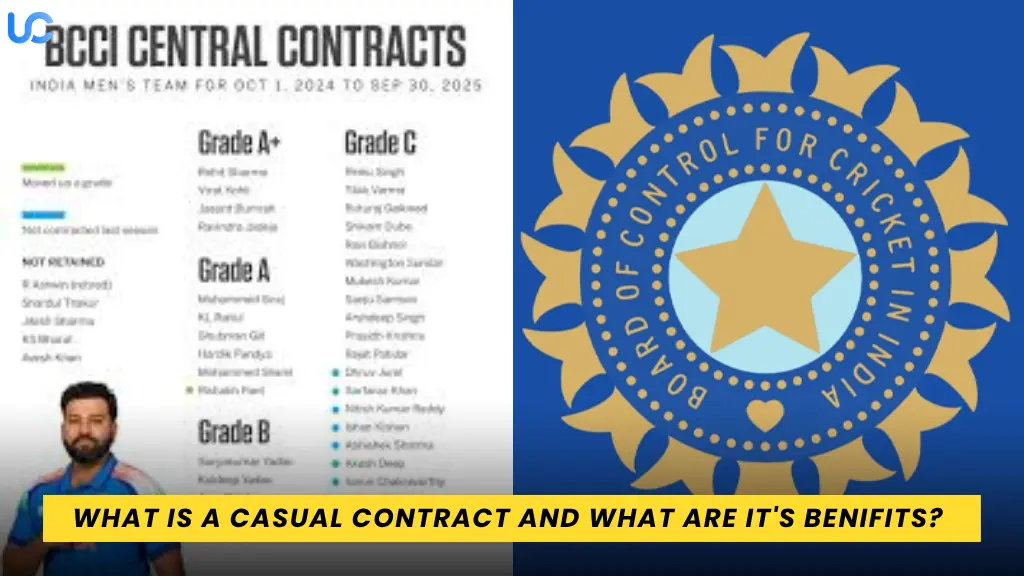
These days cricketers find themselves in quite a predicament – whether or not to participate in international cricket.
In most cases, except for a few selected international teams, players don’t receive the luxury of the central contract. Consequently, they follow the path of T20 league deals. Not just one deal, but numerous deals.
Some players have switched to being complete freelancers, moving from one T20 league to the next. For this, they have opted out of their central contracts with their national boards. Moreover, some have even taken early retirements from the international scene to extend their T20 careers!
Consider Nicholas Pooran as an example. The keeper-batter with a powerful strike retired from the international arena at the age of 29!
But what’s the reason? To the financial advantage of franchise cricket over his central contract with West Indies, which was already providing the player with some amount.
Pooran is not going to be the last cricketer to make a similar move. The possibility of more such retirements is there in the near future.
New Zealand Cricket (NZC) had to resort to introducing a casual player contract to prevent this issue of losing players.
What, then, is the casual player contract that New Zealand is offering?
The NZC introduced what it refers to as the ‘Casual Player Agreement’ in front of the 2023/24 season. Trent Boult was one of the initial players to sign a casual deal in June 2023.
It would be like a flexible playing arrangement. The player concerned will commit to major international matches including ICC events, and then also take up T20 league deals on the side.
What is the significance of the casual player contract for New Zealand?
The casual player agreement presents a solution that lies between two extremes. In the absence of the agreement, players have no other option but to either retire and take up franchise cricket or play international cricket along with a few franchise gigs.
However, the contract allows players to give equal attention to both international and franchise cricket while receiving maximum financial benefits. Therefore, it is a win-win situation for both the New Zealand players and the NZC management.
Moreover, it partially addresses another issue. New Zealand’s talent pool is not very large, so the casual contract helps keep the best players in the fold while at the same time not having to worry about the import of unskilled players in key series.
What are the benefits of a casual contract for players?
The agreement may be flexible but it still entails benefits of the same standard as a centrally contracted player.
A player with a casual agreement will have access to the following:
Leading NZC coaches
Gym and training facilities
Physical and mental fitness assistance
Read Also:- What is a Knuckle ball and How to bowl this delivery?
Will other teams copy the practice?
Most probably. At least not the Indian, Australian, and English teams but probably all other teams will have such setups soon.
With the rising number of T20 leagues offering lucrative salaries, players will not want to be left out. So, the balancing act of many players between international and franchise contracts will be quite visible.