

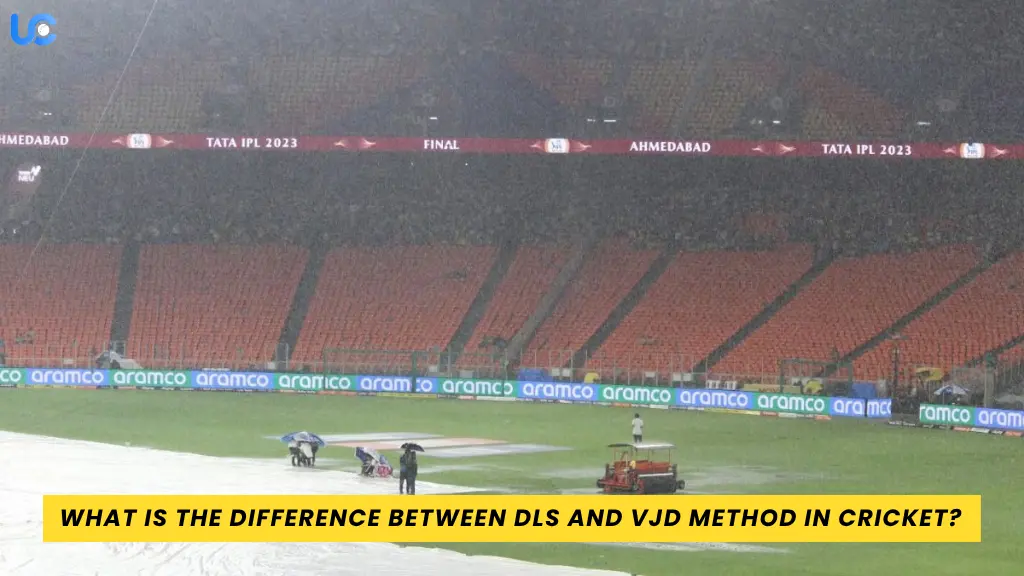
Rain interruptions continue to be a major hurdle in the not-so-easy and tricky world of cricket. As a result, two very prominent methods called Duckworth-Lewis-Stern (DLS) and V. Jayadevan (VJD) have come to the forefronts of discussions.
The DLS technique is the one that the ICC mostly resorts to in its tournaments and matches; dousing the chasing team with a new target that, among others, embraces the number of overs, wickets left and the rate at which the first team was scoring before the rain came down. The VJD, meanwhile, which is used in BCCI working matches, has a different way of doing things besides reckoning the resource availability and the rating pattern of the scores.
This write-up is meant for an in-depth discussion of all the aspects of these ways by revealing how they maintain fairness and also impart zest even in the gloomy parts of the rainbreaks.
Duckworth-Lewis-Stern (DLS) Method
The DLS method first known as the Duckworth-Lewis method was specifically introduced for dealing with rain-affected limited-overs matches. It literally points out the target score for the second batting team, taking the available resources (overs and wickets) and the scoring rate of the team that batted first before the rain interruption into account.
Key Factors:
Usage: The method is majorly used in ICC events and International matches.
Number of Overs: It refers to the number of overs played by the first batting team before the interruption of rain.
Wickets Lost: The fiery bowling team has taken this many wickets before the rain disruption.
Scoring Rate: It is the run rate at which the team that batted first was scoring before the interruption.
DLS Calculation Example: Team A finishes with 250 runs for 5 wickets in 50 overs. Team B has faced 20 overs and is 100 for the loss of 2 wickets before the rains come. The match is then halted by the rain. The DLS method can then revise Team B’s target to 82 runs in 20 overs using the resources and the first innings scoring rate as the basis for such a target.
V. Jayadevan(VJD) Method
The VJD method is an innovative approach that substitutes the DLS method created by Jayadevan Vinod.
The scoring process is a mere acid test by the DLS method. The VJD method on the other hand, takes the goals and ambitions of its users and scores them differently.
Key Factors:
Usage: Matches under the BCCI jurisdiction and also at domestic matches.
Number of Overs: The number of overs bowled in the first innings before rain interruption.
Wickets in Hand: The number of wickets up for the second batting side.
Scoring Pattern: The run scoring rate of the first batting side at the time of the interruption.
Read Also:- List of All ICC Trophies Won by South Africa
VJD Calculation Example: Let us say Team A scores 250 runs for 5 wickets in 50 overs. Team B had batted for 20 overs scoring 100 runs for 2 wickets when rain stopped the play. The revised target under this scenario for team B would be reduced to 85 runs in 20 overs as the process of calculation differing from the DLS method has led to the emergence of a new target.
Rain disruptions in cricket are challenges that cannot be avoided, but at the same time, they cannot hinder the matching of the two methods, DLS and VJD, which are great tools for maintaining fairness in affected matches. The methods of rain rule not only provide fairness but also keep the excitement alive even when the weather is uncooperative.
The DLS method, which has found acceptance at ICC events, relies on the input of overs, wickets, and scoring rates to make target adjustments. Conversely, the VJD method used in BCCI-associated matches offers its unique twist by varying parameters and doing calculations.