
Cricket, which is often referred to as a gentleman’s game, has become a lot more popular and the evolution of the sport as well as its players has been much quicker at a higher pace. Fans are witnessing teams together with their respective players employing various modern tactics and displaying skills on the playground to hoist their teams over the ropes.
There have been a few instances in recent years when the usage of those rules has been tacitly employed by the teams and players to their advantage. In one such IPL match, R. Ashwin was halfway through his batting and retired to allow the next batter to score runs quickly. After that, this rule has been employed in some other matches.
However, a lot of followers still do not know the difference between a player being retired out and being retired hurt. Therefore, in this article, I am going to clarify the distinction between the two cases.
What Does Retired Out mean?
According to the International Cricket Council (ICC), a batter can voluntarily leave the field at any time during the batting’s innings. When a player retires of his or her own accord, he or she may not be reinstated in the innings of the match unless the opposition captain gives permission.
However, in the case where the batter doesn’t turn up to bat, he or she is declared ‘Retired out’ and the whole thing is regarded as a dismissal in the official records.
Retiring out is indeed an uncommon situation that happens to be very rarely in a game. It is only recently that the rule has been embraced and the teams have been using it according to match situations, particularly in T20 games.
What is Retired Hurt?
Inevitably injuries do take place during the course of field sports, and cricket is no different. Batters may suffer injuries while practicing in the nets or during the actual matches.
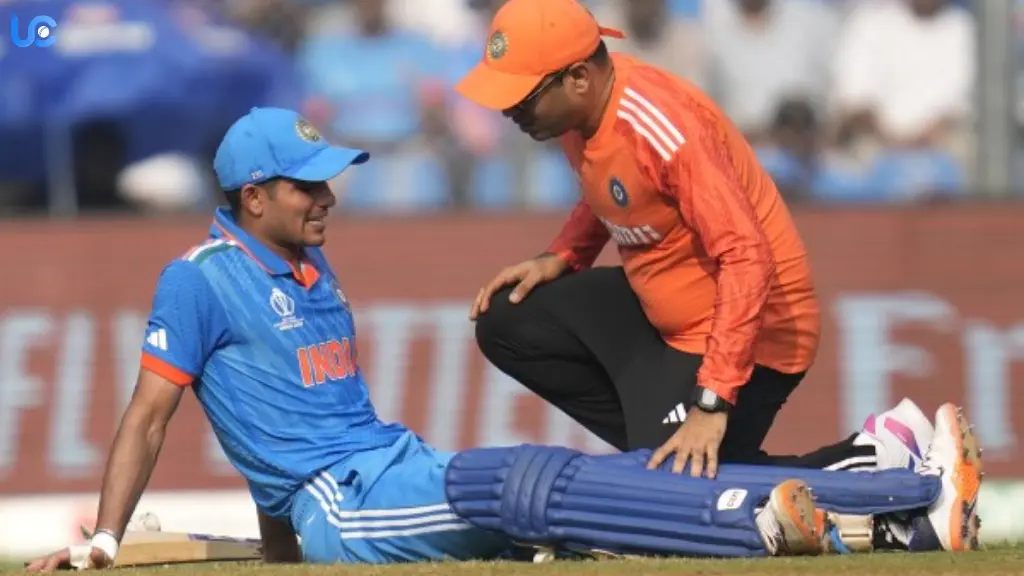
Then the question arises that what if a player sustains an injury during the match and the injury is serious enough to cause him or her to retire from the game? The retired hurt rule thus comes to the rescue in such a case. But retired hurt is a term that is quite different from retired out.
Well, in case a batter is hurt, then they are considered as being really ‘out’ for the time being. But, the thing is, the injured batter is allowed to go for another round at the crease unlike the ‘out’ batter.
Now, he cannot pick up the innings at any point of time. The batter can only go to the crease again if a wicket goes down or any other batsman retires.
And on the other hand if a batter stays off the field, then he/she will be labeled as ‘Retired not out’ in the score book. Just remember that a retired hurt is not a tactical decision but a batter is forced to retire. In this case, however, they can bat again when they are fit enough to play