
The concept of One Day International (ODI) cricket was introduced to the public as a new format in the early 1970s. After that, bat and ball have had their share of the spoils as the format kept changing.
Along the same lines, the ICC, which is the supreme body of cricket, has also modified the regulations concerning fielding limits in ODIs. Can you diverge a bit and tell us what the fielding restrictions are in the ODI format?
First, let’s take a look at the very limitations that ODI cricket is bound by.
Fielding Restrictions in First Powerplay (1-10 Overs)
You must be familiar with the fact that an ODI match is played over 50 overs split into three powerplays. And the first powerplay runs from the first over to the tenth over.
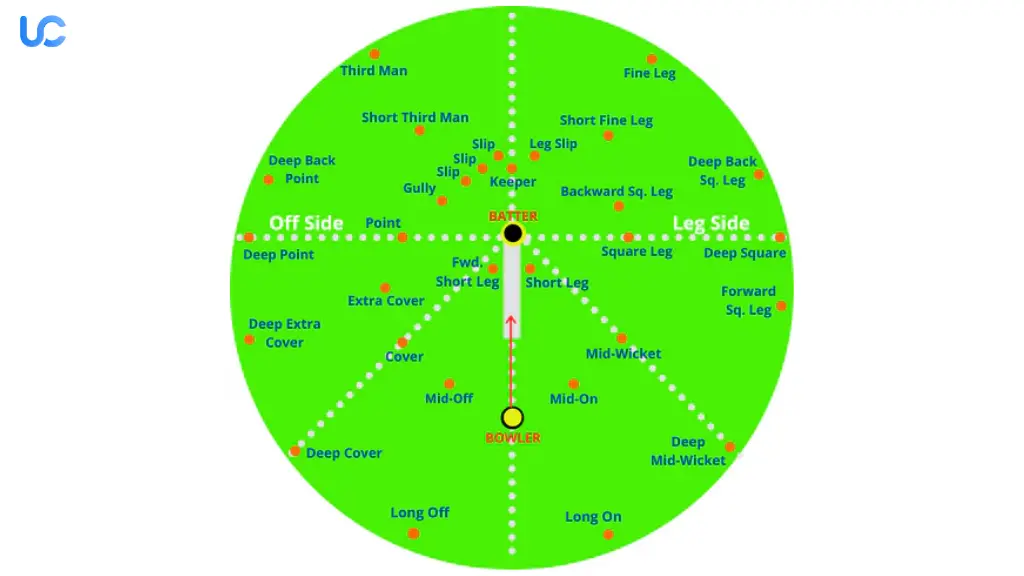
The fielding team can only set up 2 fielders beyond the 30-yard circle during the first powerplay. This is exactly like the restrictions imposed in T20 games.
Read Also:- Top India Domestic Stars In Mumbai Indians Retention List
Through this period, the hitters would be trying to run up the score by smashing the boundaries, thus giving their team a good start.
Fielding Restrictions in Second Powerplay (11-40 Overs)
The second powerplay in ODIs comprises the middle overs of 11 to 40. Here, the fielding side is allowed to have a maximum of 4 fielders outside the ring.
Now the fielding side has the option of cutting down the number of runs scored through the boundary by placing the fielders on the boundary line. Further, they will also try to take wickets by putting pressure on the batters and placing fielders in the right spots.
Fielding Restrictions in Third Powerplay (41-50 Overs)
At the start of the final 10 overs, the fielding side can have only 5 players outside the 30-yard circle. Batters try to score as much as they can, so this relaxation of the field allows teams to prevent the boundaries properly.
Fielding Restriction for Slow Over Rate in ODIs
It is a fact that an ODI inning lasts for about 3.5 hours, and the bowling side is expected to bowl the 50 overs in that time frame. In case the team is unable to finish the inning within the allotted time, they will only be permitted to have 4 fielders rather than the usual 5.
What Happens if the Fielding Restrictions Are Not Followed?
The field umpires will declare a no-ball if the fielding side does not comply with the fielding restrictions. It will be a punishment for the fielding side when the fielder is not in position at his spot at the time when the bowler delivers the ball.