
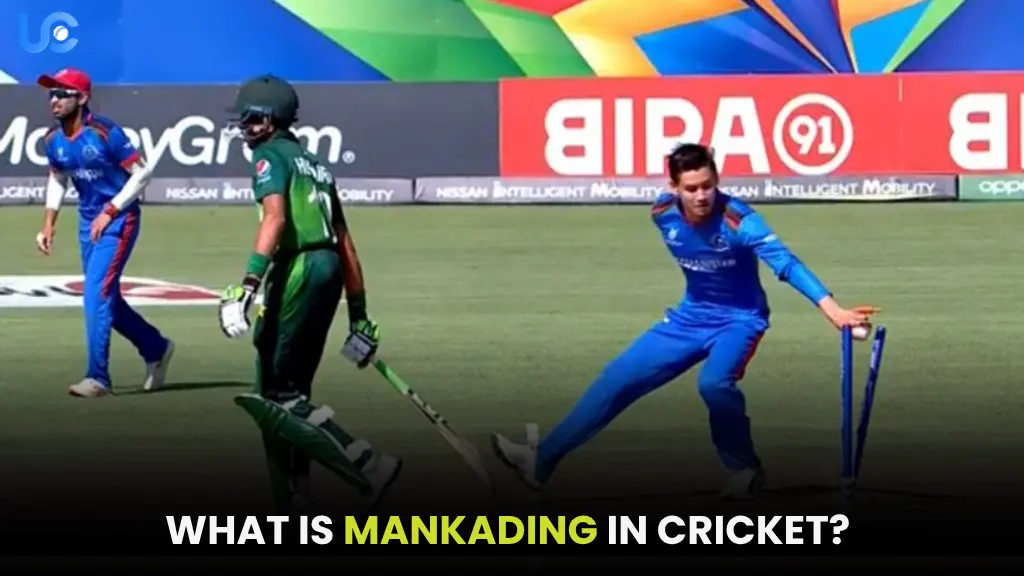
Of late, the word Mankading has been floating around quite a lot. It is the same thing as running out the non-striker which, after all, is a way of vice-versa dismissing a batter.
Notwithstanding, if judges and players speak, they will say that it is not a death of the soul of the game; and thus, they will call it an anti-Cricket Spirit act. Moreover, quite a number of Mankading incidents have taken place with one of them being famous and happening during the IPL 2019.
What then is Mankading? And where did its name come from?
Let’s take a journey through the whole issue of the Mankading rule in cricket.
Mankading or Run Out at Non-Striker’s End
To put it simply, Mankading is the act of running out the non-striker before the next delivery has taken place. The batter can only be dismissed in such a manner if he/she has left the crease too early and the bowler has broken the stumps before throwing the ball.
What’s in a Name?
Though Mankading is not an official name, it was assigned to the former Indian all-rounder, Vinoo Mankad. Picture the scene: it’s the 1947-48 season and Mankad is charging in against Australia. One day he runs out, at the non-striker’s end, Bill Brown, which brings the matter of such a dismissal in Test cricket for the first time.
Mankading has been the name given unofficially to the way of dismissal since then; however, the MCC Laws of Cricket or ICC do not acknowledge the name in their official documents.
Mankading Rules
For the players and umpires to be able to dismiss a batter in this way, a number of factors have to be taken into account. Well then, let us get introduced to the Mankad dismissal rules according to the MCC.
The MCC holds that a batter can become a non-striker’s end casualty when the bowler would normally release the ball from the hand and the batter is out of his ground or gaining unfair advantage.
If the bowler happens to knock off the bails of the wicket before he has finished his delivery swing, then this kind of dismissal is legit. Otherwise, if the bowler aims for the batter dismissal after he has already completed his bowling action, the wicket won’t be given.
So if the dismissal is legal according to the laws, then why is there so much fuss about it?
Is it fair to do Mankading or not?
The laws that allow the batsman to be dismissed for being too far out of the crease have been the source of much debate.
In the 2019 IPL, a match between the Kings XI Punjab and the Rajasthan Royals saw the Punjab team captain R. Ashwin taking out the Rajasthan player Jos Buttler in a similar manner, prompting the cricket community to debate. (You can check out the incident here.)
Many commentators and players branded this dismissal as contrary to the Spirit of Cricket and criticized Ashwin for playing unfairly, although the batter was the one at fault. Conversely, a few former cricketers supported Ashwin’s move and categorized it as a legitimate dismissal.
However, the law does recognize such a dismissal. So, the unnecessary debate doesn’t make any sense at all. Everyone should come to terms with it and strive to play by the laws.
If a bowler commits a foot fault while ushering in a ball, the umpire declares it a no ball and grants a free hit to the batman in the shorter format.
Hence, why not penalize a batter for stepping out of the crease prematurely? Couldn’t he/she just stay inside the crease until the ball is in play?
What is the effort that a batter has to put in for this? Absolutely nothing!
It is this easy; nevertheless, the argument will continue for quite a long time.