
Cricket offers a myriad of options to dismiss a batter but a few types of dismissals occur very infrequently.
One of the rarest is when the batter is given out for obstructing the field. But then, what is meant by obstructing the field and why is the batter punished in such a manner?
In the ensuing discourse, we will delve into and comprehend the terminology of obstructing the field in cricket.
The Act of Obstructing the Field
Obstructing the field dismissal is a very strange thing happening in cricket, with the over ten instances documented in men’s international cricket.
This type of dismissal is, however, not the same as the others, since it is the case of the players’ intention and the umpire’s perception of the situation that will determine the outcome.
However, let us first refer to the cricket law that deals with the case of obstructing the field before we go in-depth.
Read Also:- Most Expensive Trade Deals in IPL History
According to the rules of cricket by the MCC, if a batter intentionally creates a hindrance for the fielding team, they may then be declared out.
A batter may be ruled out for obstructing the field in the following occurrences. By distracting the fielding team. By hitting the ball with hands or any part of the body, except for the hand holding the bat. By stopping the fielder to catch the ball. By throwing the ball back to the fielder without the latter’s consent
The ruling on this will not change no matter if the ball was delivered correctly or incorrectly. This signifies that the batter may be declared out even if it’s a no-ball.
Learning the law, let’s see an example for better understanding.
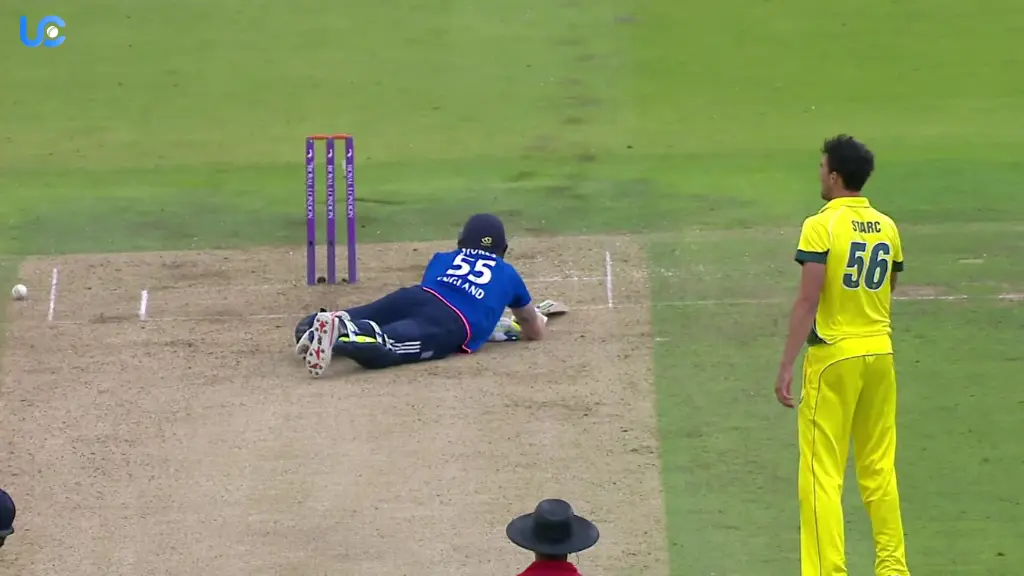
Consider a scenario where a bowler bowls a ball, and the batter’s defense is a well-timed stroke with the bat. But as the ball seems to be heading towards the stumps, the batter uses his/her hand to stop the ball from hitting the stumps.
The case is so obvious that the batter was trying to save the wickets that the umpires will declare him/her out for obstructing the field as soon as the fielding team appeals.
Nevertheless, in certain situations, the umpires may choose to ignore the rule, depending on the player’s mindset.
Let’s say a batter moves out of the crease and strikes the ball right towards the bowler. The bowler reacts quickly and throws the ball back trying to hit the stumps, but the batter guards it to prevent injuries.
The fielding side can call for the expulsion, but the umpires will decide finally by judging the intent of the batter. If the umpires conclude it was not deliberate, then the batter will remain not out.